


Three separate McLaren stories landed this week, and none of them are really separate once you put them next to each other. It's the same tension I ended up writing about with Polestar's design teaser a few weeks back: a genuine improvement on one side, and a business story running alongside it that changes how much the improvement actually matters.
Start with the money. McLaren Racing signed Edward Jones as its new Official Private Wealth Management Partner across both F1 and IndyCar, confirmed in Motorsport.com's report on the deal. Visor branding arrives in F1 from 2026, and the firm becomes primary sponsor of the #6 Arrow McLaren Chevrolet in IndyCar from 2027, with Scott Dixon driving that car for the full season. Financial services aren't new to F1's paddock, but a wealth manager specifically, tied to driver helmets, is a fairly literal sign of where the sport's audience now sits financially. I don't think F1 should be dictated by money rather than the actual racing, and deals like this are exactly where that risk shows up. A team with enough sponsorship weight behind it can shape its own fortunes almost independently of how the car performs on a Sunday, and that's not really what the sport is supposed to be about.
Then there's the number that dwarfs any single sponsorship: McLaren Racing is on track to become the first F1 team to hit $1bn in revenue, according to Sky News's reporting on accounts due to be filed this week. Zak Brown's pay package for the year is reported at over $100m, most of it tied to a share award triggered by last year's buyout of the team's minority owners. Taken on its own, a billion dollars in revenue for an F1 team is good news, full stop. And paying the person who's overseen the turnaround well isn't unreasonable either. Rewarding the work that got the team here is fair, even at that scale.
Because the turnaround is real. Ten years ago McLaren needed a rescue deal during the pandemic that valued the team at £560m. Last year, Bahrain's Mumtalakat and Abu Dhabi's CYVN Holdings bought out the remaining external shareholders at a £3.5bn valuation. In between, the team went from also-ran to constructors' champion, twice. That's the actual story sitting underneath both the sponsorship deal and the pay figure: a team that got dramatically better, and the money followed the results rather than the other way round. If Brown's pay reflects that improvement rather than sitting apart from it, that's the right order for it to happen in.
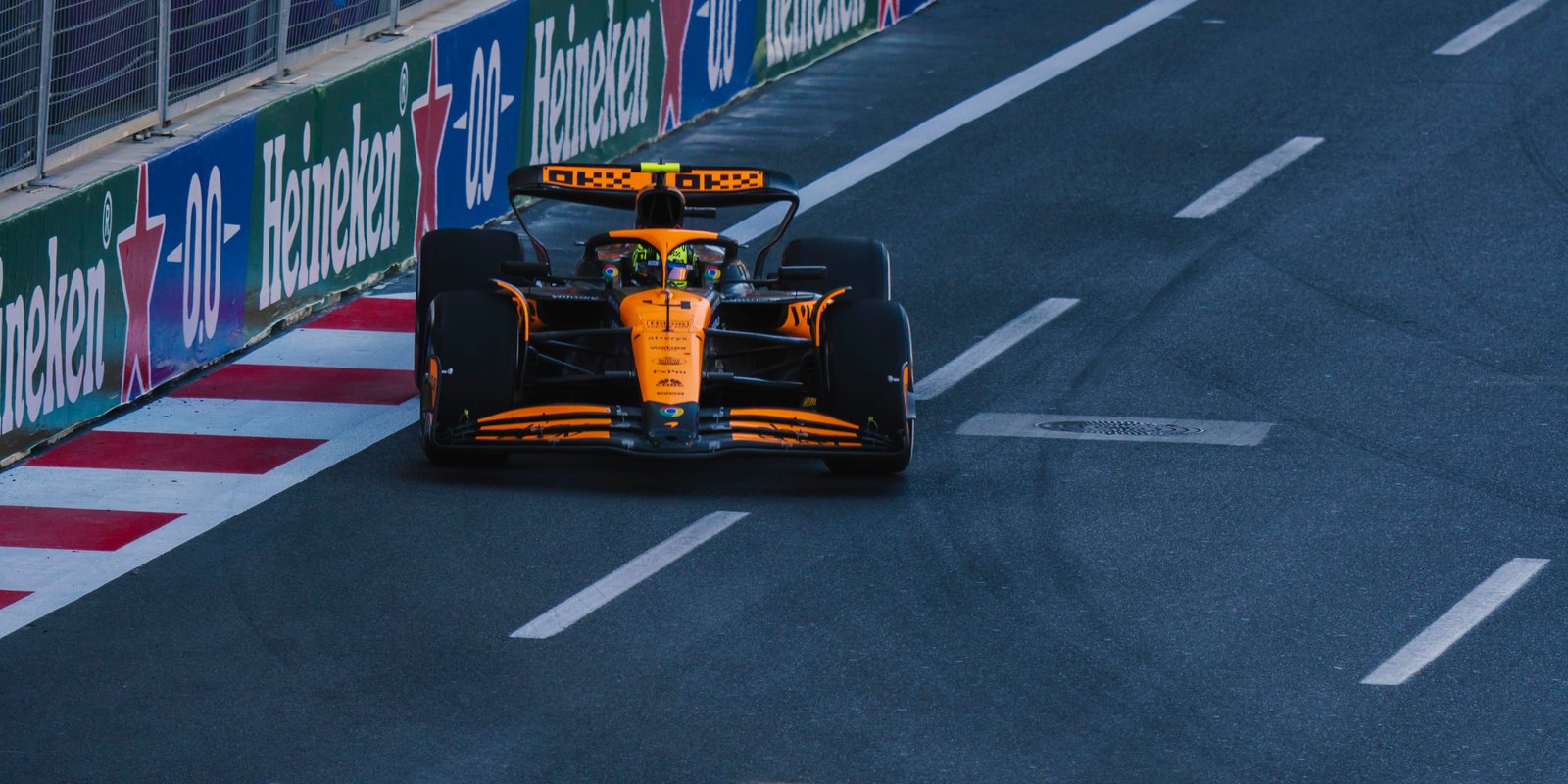
Set against all that financial news, the actual racing this week was a car getting slower late in the year, on purpose, and still finding more pace. McLaren brought aerodynamic upgrades to Baku, including the reintroduced H-Wing rear wing concept, and Oscar Piastri ran second for most of the race before a late lock-up dropped him out of the points. Team principal Andrea Stella confirmed to PlanetF1 that more parts are still coming even though the team's real focus has already shifted to next year's car. Developing a 2026 car properly while also building for 2027 is exactly the right call. There's no case for coasting through the rest of a season just because the bigger prize is next year's regulations. The upgrades worked, the data backed that up, and Piastri's pace before the lock-up proved the point on track rather than just in a wind tunnel.
Money, results and development all point the same direction this week. The part worth watching is whether McLaren keeps that order the right way round once the accounts are filed and the sponsorship logos start going up.
More F1 and news opinion pieces like this one live on the Bike One homepage, alongside whatever's happening with cars and motorcycles the rest of the week.